
St. David's North Austin Medical Center
Location: Austin, TX
- General Contractor:
DPR Construction - Square Footage: 32,000 sf
- Products: Laticrete® SUPERCAP®, moisture barrier & wear surfaces
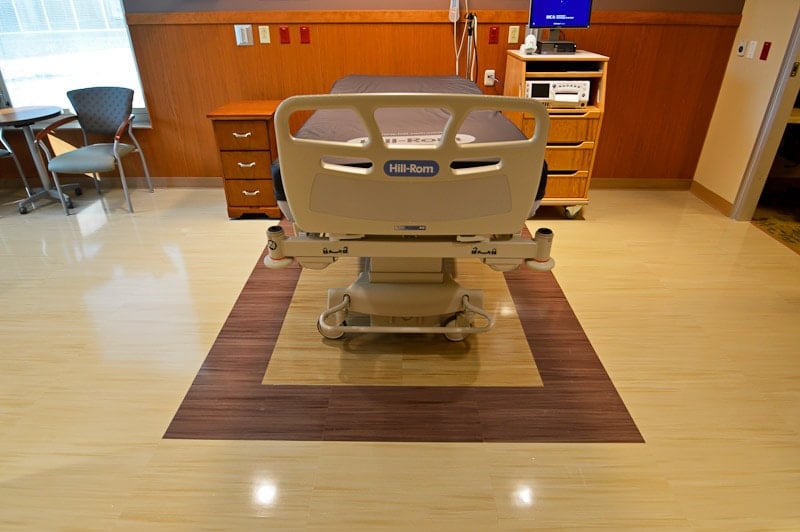
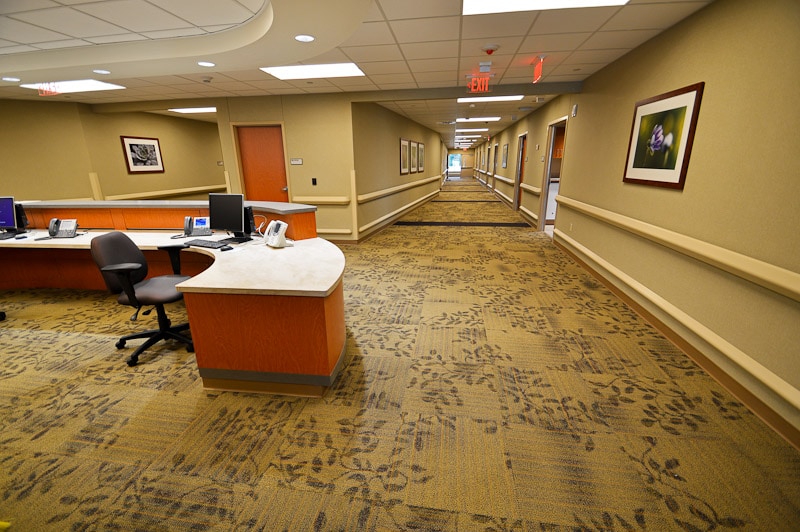
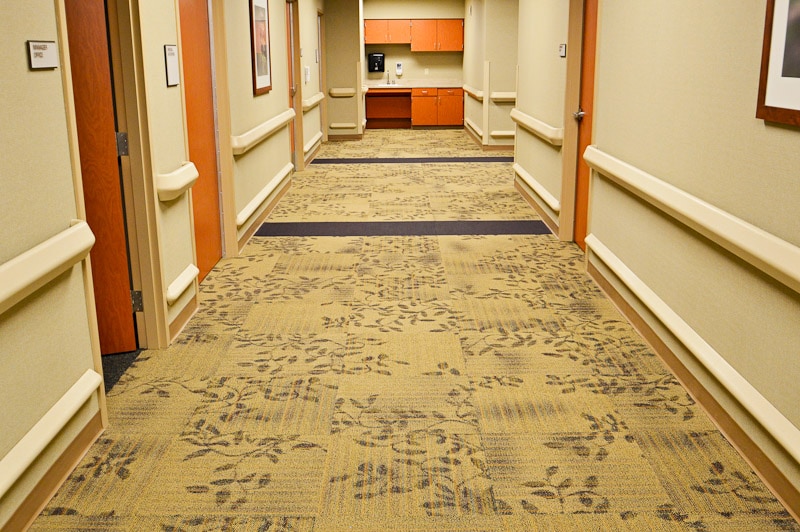
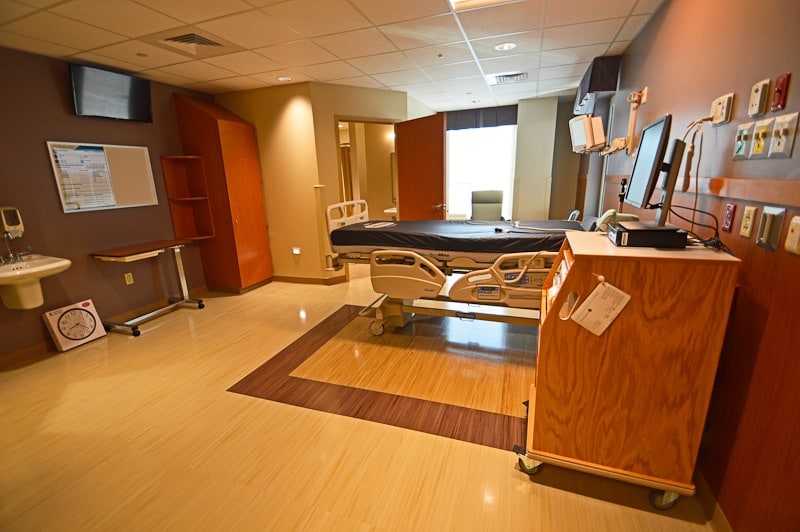
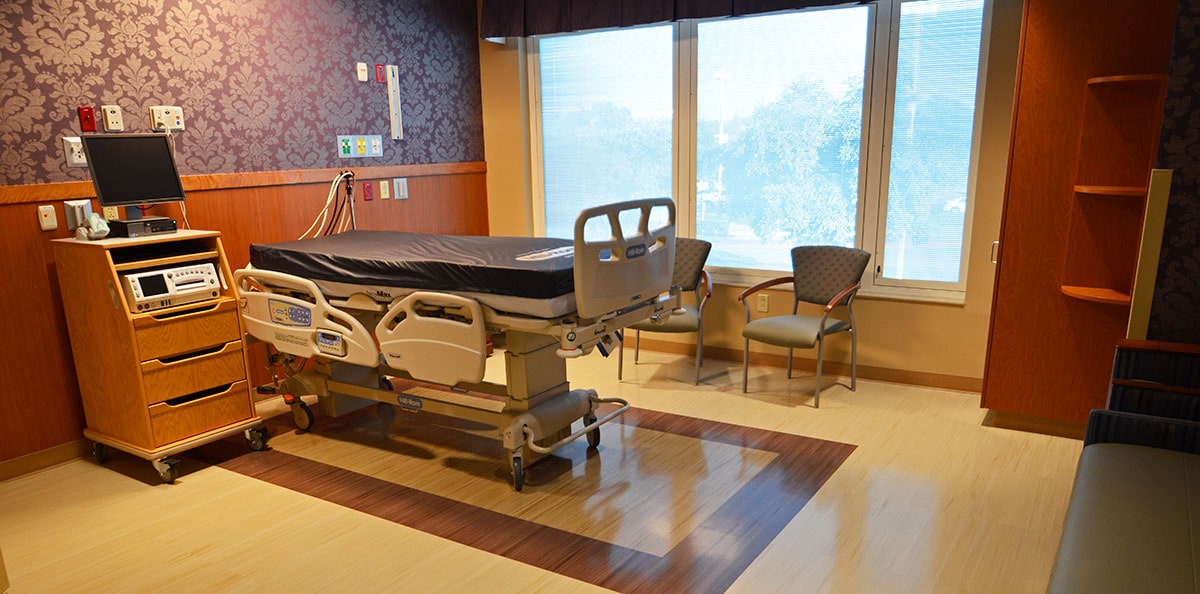
Adding a second patient floor to an occupied hospital's existing wing is no small feat. St. David's North Austin Medical Center raised the roof and added 28 patient rooms, requiring precise coordination between modular construction and traditional flooring methods to create seamless transitions throughout.
THE CHALLENGE
This ambitious project involved raising the roof of an existing wing in an occupied hospital to accommodate 28 new patient rooms. The project specified BLOX prefabricated patient bathrooms, which introduced unique flooring requirements. Moisture testing revealed the need for a moisture barrier, and Intertech's floor survey called for a minimum ¾" self-leveling cap.
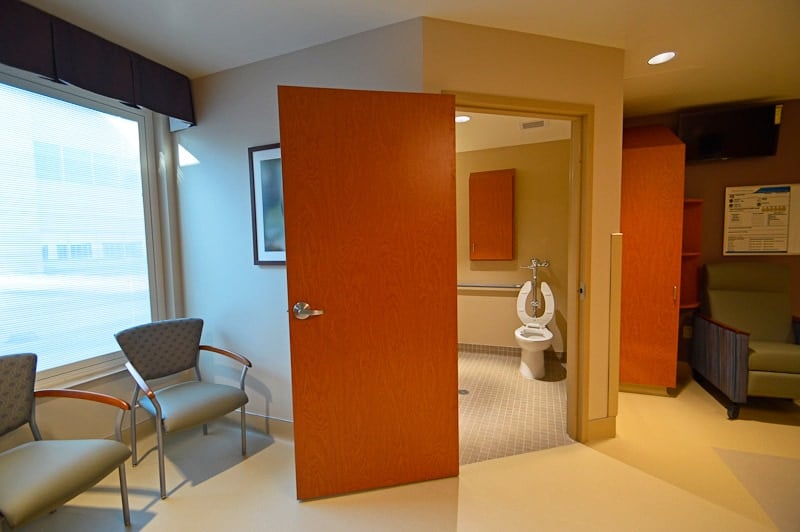
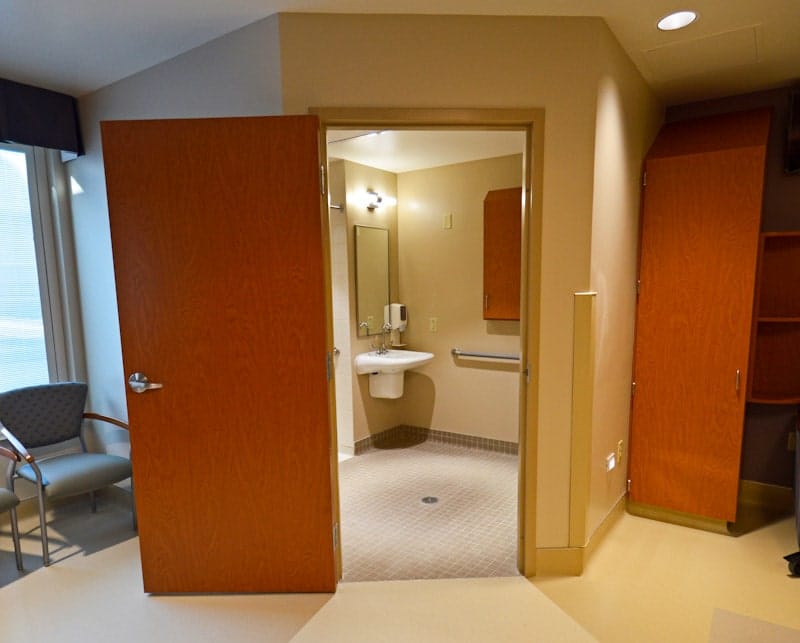
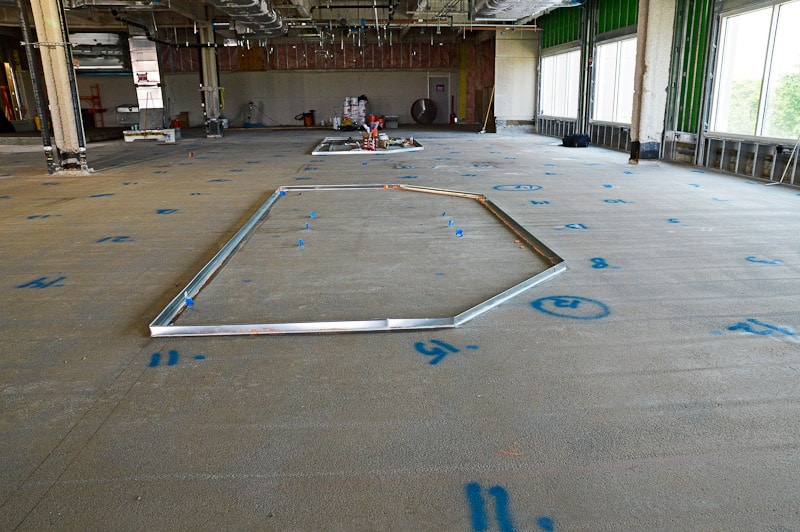
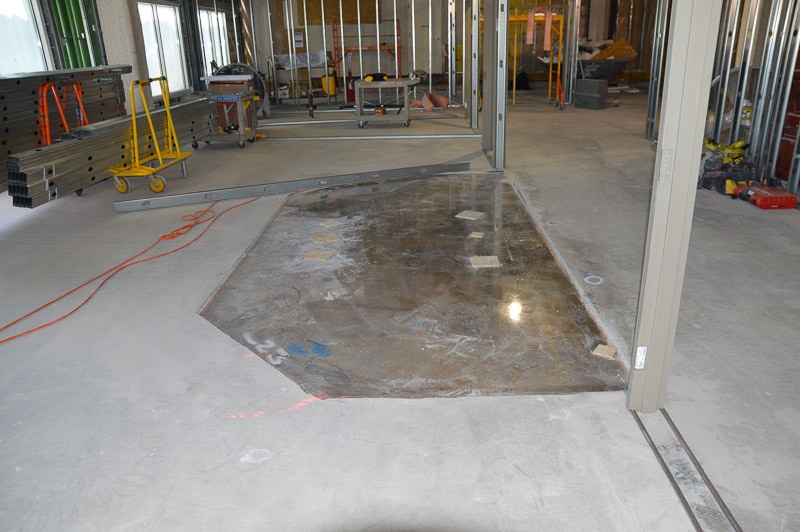
The transition areas between the bathroom pods and patient rooms had to be perfectly seamless with no ridges, bumps or slopes. The pods required a ½" depression with ¼" poured inside to level and flatten so the modular bathrooms could drop into place. Adding to the complexity, floor elevations between the new wing and the existing occupied wing needed to marry seamlessly, maintaining continuity throughout the facility.
OUR SOLUTION
Our team prepped the floor for the moisture barrier and self-leveling cap, working closely with the general contractor and BLOX engineers to ensure precision at every stage. We built the block-outs that met the architect's plans, then poured Laticrete® SUPERCAP® inside and outside the pods at the different specified levels.
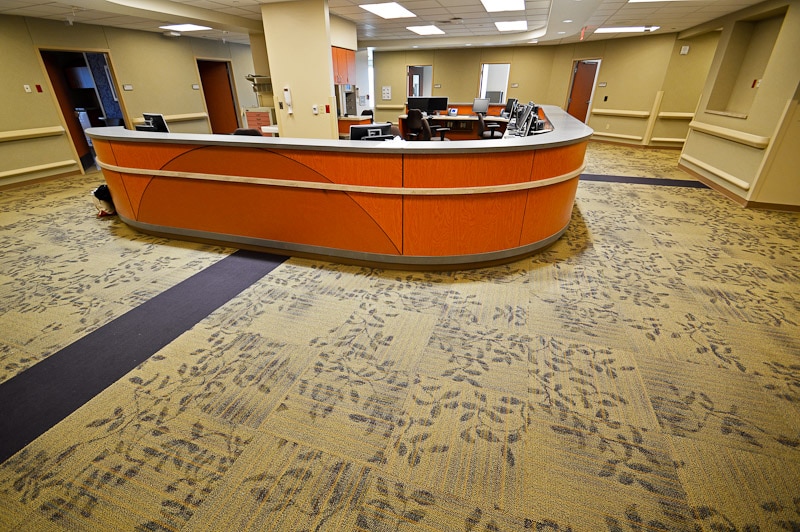
This careful preparation allowed the pods to be swung into place via crane with perfect alignment. The entire floor was delivered dry and flat, meeting all criteria including the LEAN Construction principles that the modular construction introduced to the project. Intertech was also awarded the purchase and installation of all wear surfaces.
THE RESULTS
The innovative combination of modular construction and traditional flooring methods delivered exactly what the project demanded: seamless transitions between new and existing spaces, perfect alignment for prefabricated bathroom pods, and a floor system that supported efficient construction sequencing. Our work enabled the hospital to add 28 patient rooms without disrupting operations in the occupied wing, while maintaining the high standards healthcare facilities require.